
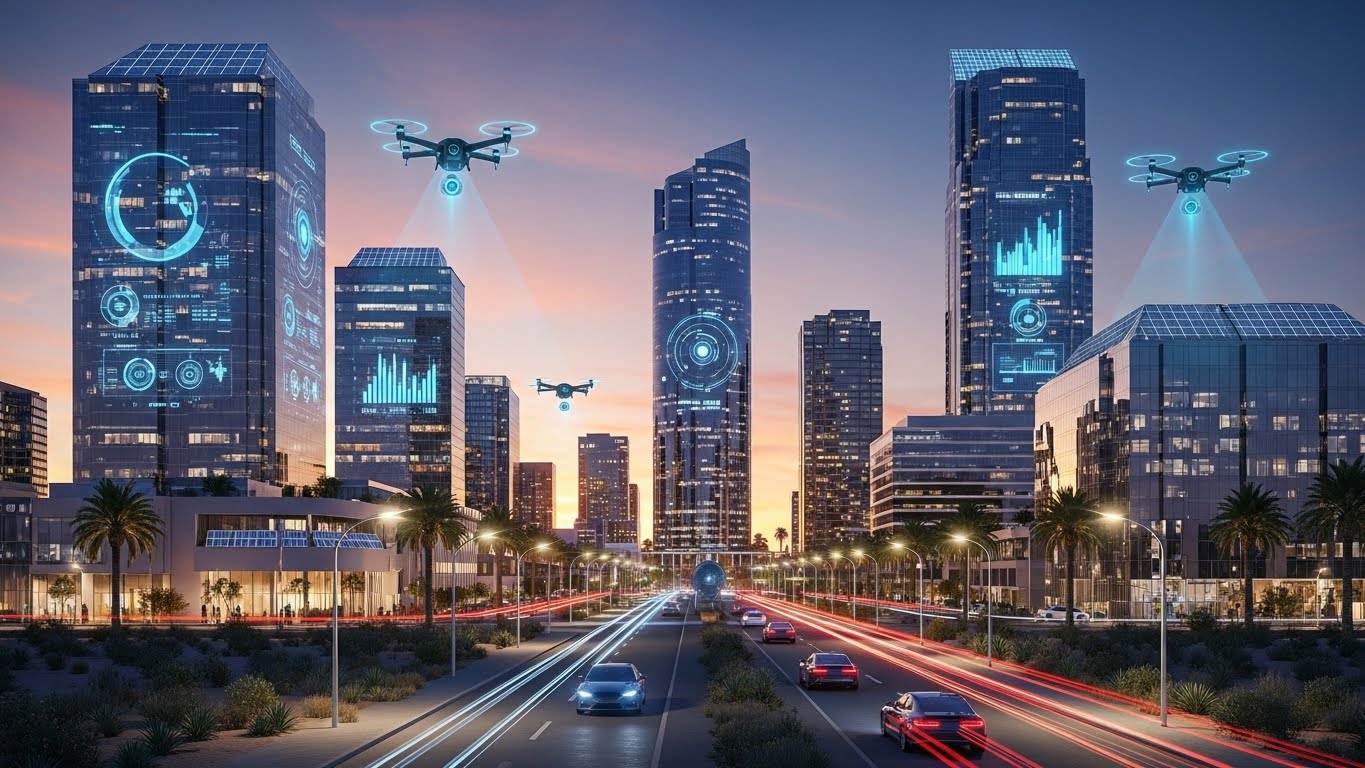
The rise of smart technology in Arizona’s urban landscape is transforming how cities operate, connect, and grow in the modern digital era. From Phoenix to Tucson, Arizona’s metropolitan areas are rapidly embracing innovative technologies that improve infrastructure, enhance sustainability, and elevate the quality of life for residents. Smart sensors, data-driven governance, and connected systems are no longer future concepts but active components shaping Arizona’s urban development. This technological evolution reflects the state’s commitment to balancing rapid population growth with efficient, forward-thinking solutions.
As urban challenges such as traffic congestion, water scarcity, and energy management intensify, smart technology is becoming an essential tool for city planners and policymakers. Arizona’s unique climate and urban dynamics make it an ideal testing ground for intelligent solutions that can later be replicated across other regions.
Understanding The Rise of Smart Technology in Arizona’s Urban Landscape
The rise of smart technology in Arizona’s urban landscape refers to the integration of digital systems, Internet of Things devices, and data analytics into city infrastructure. These technologies enable real-time monitoring, predictive maintenance, and responsive services across transportation, utilities, public safety, and governance.
Arizona’s cities are leveraging cloud computing and artificial intelligence to streamline operations and reduce costs. By collecting and analyzing vast amounts of urban data, city officials can make informed decisions that directly impact residents’ daily lives. This shift toward smart urban ecosystems marks a significant departure from traditional city management models.
Smart Infrastructure Driving Urban Innovation in Arizona
Smart infrastructure is a cornerstone of the rise of smart technology in Arizona’s urban landscape. Roads, bridges, buildings, and utilities are increasingly embedded with sensors that collect data and optimize performance. These systems help cities anticipate maintenance needs, reduce downtime, and extend the lifespan of critical assets.
The table below highlights how smart infrastructure is being applied across Arizona’s urban centers:
| Smart Infrastructure Area | Technology Used | Urban Benefit |
|---|---|---|
| Transportation Systems | Traffic sensors and adaptive signals | Reduced congestion and travel time |
| Energy Grids | Smart meters and AI analytics | Improved energy efficiency |
| Water Management | Leak detection sensors | Conservation of water resources |
| Public Buildings | Automated climate control | Lower operational costs |
This integrated approach allows Arizona’s cities to function more efficiently while minimizing environmental impact.
Transportation Evolution and The Rise of Smart Technology in Arizona’s Urban Landscape
Transportation plays a vital role in the rise of smart technology in Arizona’s urban landscape. With growing urban populations, cities are adopting intelligent traffic management systems to reduce congestion and improve mobility. Smart traffic lights adjust signal timing based on real-time traffic flow, reducing idle time and emissions.
Public transportation is also benefiting from smart solutions. GPS-enabled buses, mobile ticketing, and real-time arrival updates enhance commuter convenience. These innovations encourage greater use of public transit, contributing to reduced carbon footprints and more sustainable urban living.
Smart Energy Solutions Reshaping Arizona’s Cities
Energy efficiency is a major focus of the rise of smart technology in Arizona’s urban landscape. Given the state’s abundant sunlight, smart solar grids and energy storage systems are becoming increasingly common. These technologies allow cities to harness renewable energy while maintaining grid stability.
The following table demonstrates how smart energy initiatives impact urban sustainability:
| Energy Technology | Application | Impact on Cities |
|---|---|---|
| Smart Solar Panels | Residential and commercial rooftops | Reduced dependency on fossil fuels |
| Energy Storage Systems | Grid stabilization | Reliable power supply |
| Smart Street Lighting | Automated brightness control | Lower energy consumption |
| Demand Response Systems | Peak load management | Cost savings for utilities |
Through these measures, Arizona is positioning itself as a leader in sustainable urban energy solutions.
Water Management and The Rise of Smart Technology in Arizona’s Urban Landscape
Water scarcity is a critical issue in Arizona, making smart water management essential. The rise of smart technology in Arizona’s urban landscape includes advanced water monitoring systems that detect leaks, measure usage patterns, and optimize distribution networks.
Smart irrigation systems in public parks and residential areas adjust watering schedules based on weather data and soil moisture levels. This precision reduces water waste and supports long-term conservation efforts. By integrating technology with environmental stewardship, Arizona’s cities are addressing one of their most pressing challenges.
Public Safety Enhancements Through Smart Technology
Public safety improvements are another significant aspect of the rise of smart technology in Arizona’s urban landscape. Smart surveillance systems, connected emergency response platforms, and predictive policing tools are helping cities respond faster and more effectively to incidents.
Data-driven insights allow law enforcement and emergency services to allocate resources strategically. This proactive approach not only improves response times but also strengthens community trust by enhancing transparency and accountability.
Economic Growth Fueled by Smart Urban Development
The rise of smart technology in Arizona’s urban landscape is also driving economic growth. Technology companies, startups, and research institutions are attracted to cities that support innovation. Smart city initiatives create new job opportunities in software development, data analysis, cybersecurity, and urban planning.
Local businesses benefit from improved infrastructure and digital services that enhance customer experiences. This interconnected ecosystem fosters entrepreneurship and positions Arizona as a competitive player in the national and global technology market.
Challenges Facing The Rise of Smart Technology in Arizona’s Urban Landscape
Despite its many benefits, the rise of smart technology in Arizona’s urban landscape comes with challenges. Data privacy and cybersecurity concerns must be addressed to protect sensitive information collected by smart systems. Additionally, the cost of implementing advanced technologies can strain municipal budgets.
Equitable access is another important consideration. Ensuring that all communities benefit from smart initiatives is essential for inclusive urban development. Policymakers must prioritize transparency, public engagement, and long-term planning to overcome these obstacles.
The Future Outlook of Smart Technology in Arizona’s Urban Areas
Looking ahead, the rise of smart technology in Arizona’s urban landscape is expected to accelerate. Advances in artificial intelligence, 5G connectivity, and edge computing will further enhance city operations. Future smart cities in Arizona will likely feature fully integrated digital ecosystems that adapt dynamically to residents’ needs.
Collaboration between government, private sector, and academia will play a crucial role in shaping this future. By continuing to invest in innovation, Arizona can build resilient, sustainable, and livable cities for generations to come.
Conclusion on The Rise of Smart Technology in Arizona’s Urban Landscape
The rise of smart technology in Arizona’s urban landscape represents a transformative shift in how cities function and evolve. Through intelligent infrastructure, sustainable energy solutions, efficient transportation, and data-driven governance, Arizona is redefining urban living. While challenges remain, the benefits of smart technology far outweigh the obstacles when implemented thoughtfully.
As Arizona continues to embrace innovation, its urban centers stand as powerful examples of how technology can enhance efficiency, sustainability, and quality of life in the modern world.