
Audio dyslexia, often overlooked in discussions surrounding learning differences, significantly impacts many individuals’ daily lives. Those affected may struggle with processing spoken language, making communication and comprehension challenging. This blog post aims to shine a light on the resources and tools available to help people overcome audio dyslexia. By exploring effective strategies and support systems, we can empower individuals to navigate their everyday experiences with greater confidence and ease. Understanding this condition is the first step toward fostering an inclusive environment for everyone affected by it.
Resources and Tools for Overcoming Audio Dyslexia in Everyday Life
Overcoming audio dyslexia requires a multifaceted approach, combining various resources and tools tailored to individual needs. Therapeutic interventions, such as speech-language therapy or auditory training programs, can significantly enhance listening skills and comprehension.
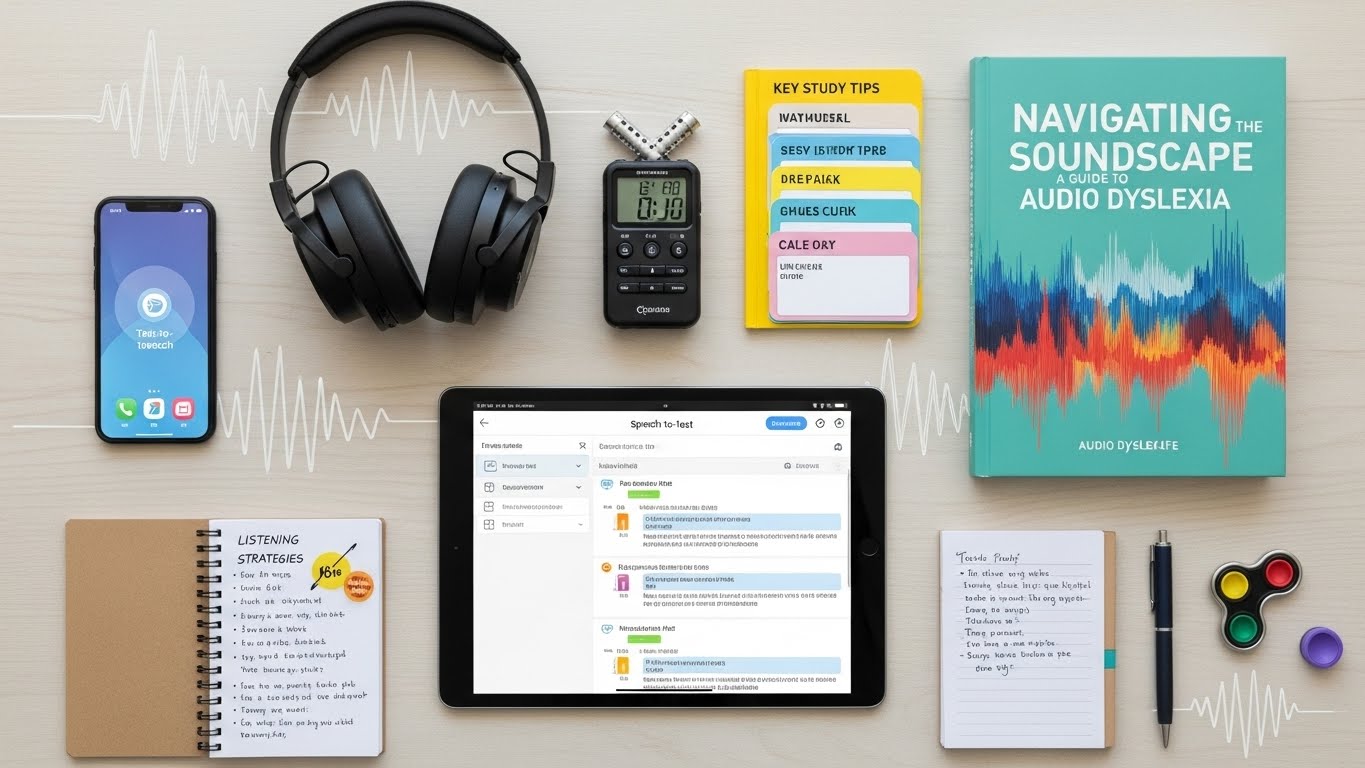
Additionally, assistive technology plays a crucial role in daily life. Tools like text-to-speech software and audiobooks help bridge gaps in understanding while fostering independence. Utilizing these resources allows individuals with audio dyslexia to thrive academically and socially.
Understanding Auditory Dyslexia
Auditory dyslexia, often referred to as a form of reading disability, affects an individual’s ability to process auditory information. This condition can hinder effective learning and communication by disrupting the recognition of sounds and words.
Individuals may struggle with distinguishing similar-sounding phonemes or following verbal instructions. Understanding these challenges is crucial for identifying appropriate interventions and support strategies tailored to enhance their auditory processing skills in academic settings.
Definition and Overview
Audio dyslexia, often referred to as auditory processing disorder (APD), is a learning difficulty that affects how the brain processes verbal information. Individuals with audio dyslexia may struggle to understand spoken language, leading to challenges in communication and comprehension.
This condition can significantly impact daily life, particularly in educational settings. Recognizing audio dyslexia is crucial for implementing effective strategies and support systems tailored to individual needs, fostering improved outcomes for those affected.
Common Signs and Symptoms
Individuals with audio dyslexia often exhibit difficulty processing auditory information. They may struggle to follow spoken instructions or frequently misunderstand verbal communication.
Common signs include frequent mispronunciations, trouble recalling words, and challenges in distinguishing similar-sounding sounds. These symptoms can lead to frustration in social interactions and academic settings, impacting both self-esteem and overall performance. Recognition of these signs is crucial for timely intervention and support.
Root Causes
Audio dyslexia, often linked to auditory processing disorder (APD), can stem from various neurological and developmental factors. Genetic predisposition plays a critical role in its manifestation, influencing how the brain processes auditory information.
Additionally, environmental influences such as exposure to noise during early childhood or inadequate language stimulation may exacerbate symptoms. Understanding these root causes is essential for developing effective interventions tailored to individual needs and challenges related to audio dyslexia.
Strategies and Support
Effective strategies for supporting individuals with audio dyslexia include tailored interventions and accommodations. These may involve modifying teaching methods, such as using visual aids alongside auditory instruction or providing additional time for processing information.
Collaboration with professionals, such as speech-language pathologists and educators, plays a crucial role in developing personalized support plans. Incorporating assistive technology can further enhance learning by offering tools that cater to individual needs and promote better engagement in daily activities.
Interventions and Accommodations
Interventions play a critical role in supporting individuals with audio dyslexia. Tailored strategies, such as explicit phonics instruction and auditory processing exercises, can enhance language skills effectively. These targeted approaches provide the necessary scaffolding for understanding spoken language.
Accommodations are equally vital in educational settings. Modifications like extended time for listening tasks or preferential seating can significantly reduce anxiety while improving comprehension. Implementing these interventions fosters an inclusive environment that caters to diverse learning needs.
Collaborating with Professionals
Collaboration with professionals is crucial for effectively addressing audio dyslexia. Specialists such as audiologists, speech-language pathologists, and educational psychologists can provide comprehensive assessments and tailored interventions. Their expertise enables a deeper understanding of the individual’s specific challenges.
Engaging with these professionals fosters a multidisciplinary approach to treatment. This collaboration often involves teachers and parents working together to create supportive environments that enhance learning outcomes. By leveraging diverse perspectives, individuals facing audio dyslexia receive well-rounded support in their daily lives.
Using Assistive Technology
Assistive technology plays a crucial role in supporting individuals with audio dyslexia. Tools such as text-to-speech software help convert written content into spoken words, enabling better comprehension and retention. Other devices, like digital recorders, allow users to capture lectures or discussions for later review.
Additionally, applications designed for auditory processing can facilitate learning through interactive exercises. These resources empower users by providing tailored solutions that address their unique challenges in interpreting and processing auditory information effectively.
Multisensory Approaches
Multisensory approaches engage multiple senses simultaneously, enhancing learning experiences for individuals with audio dyslexia. This method can involve auditory, visual, and tactile components to reinforce information retention.
Incorporating activities such as reading aloud while tracking words visually or using manipulatives offers a richer understanding. These strategies promote neural connections that facilitate better processing of auditory information. By engaging diverse modalities, learners may find it easier to overcome challenges associated with audio dyslexia in their everyday lives.
Addressing Auditory Dyslexia and APD
Addressing auditory dyslexia and Auditory Processing Disorder (APD) requires careful differentiation between the two. While both conditions affect how individuals process sounds, their underlying mechanisms can vary significantly. Accurate diagnosis is crucial for tailoring effective interventions that cater to each specific need.
Accommodations in educational settings often enhance learning experiences for those with these disorders. Strategies may include modified teaching methods, use of visual aids, and extended time for tasks involving auditory comprehension to foster a supportive environment.
Diagnosing and Differentiating Auditory Dyslexia and APD
Diagnosing auditory dyslexia involves evaluating a person’s ability to process sounds, particularly in reading and listening contexts. Professionals often utilize standardized assessments that focus on phonological processing skills, memory recall, and decoding abilities.
Differentiating auditory dyslexia from Auditory Processing Disorder (APD) requires careful observation of symptoms. While both conditions share characteristics such as difficulty understanding spoken language, APD typically includes issues with sound discrimination and localization that are less prominent in auditory dyslexia cases.
Accommodations and Support
Accommodations for individuals with audio dyslexia focus on creating a supportive learning environment. These may include providing written materials alongside auditory instructions, allowing extra time for processing information, and utilizing graphic organizers to aid comprehension.
Support from teachers, parents, and peers is also crucial. Encouragement in using specific strategies tailored to their needs can significantly enhance confidence. Regular check-ins can help track progress and adjust accommodations as necessary to foster a more effective learning experience.
Impact on Academic Performance
Students with audio dyslexia often face significant challenges in academic settings. Their difficulties in processing auditory information can hinder reading comprehension, note-taking skills, and following verbal instructions. This may lead to frustration and disengagement from learning.
Additionally, these obstacles can result in lower academic performance compared to peers. As a consequence, students might experience reduced self-esteem and motivation. Addressing these issues through targeted interventions is crucial for fostering an effective learning environment that supports their needs.
FAQ and Final Considerations
Many individuals with audio dyslexia often have questions about their condition, treatment options, and available resources. It’s essential to consult professionals who can provide tailored advice based on individual needs.
Support networks are invaluable for both individuals experiencing audio dyslexia and their families. Engaging in communities or forums fosters connection and understanding, creating an empowering environment that promotes sharing experiences and successful strategies for overcoming challenges.
Frequently Asked Questions
Many individuals wonder if audio dyslexia is the same as traditional dyslexia. While both involve difficulties with processing language, audio dyslexia specifically affects auditory information. This distinction is crucial for effective intervention.
Another common question involves potential treatments available for audio dyslexia. Approaches often include specialized educational support and tailored strategies that leverage a student’s strengths while addressing weaknesses in auditory processing skills. Understanding these nuances can significantly enhance learning outcomes for those affected.